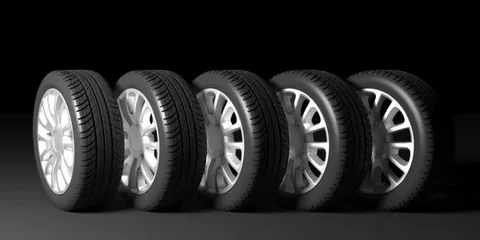
Introduction: Why Knowing How to Change a Tire is Essential
Flat tires are one of the most common roadside emergencies, affecting millions of drivers annually. Whether due to a puncture, blowout, or wear, being stranded without the ability to change a tire can be frustrating, dangerous, and costly. Learning how to change a car tire empowers you to handle the situation safely and quickly, potentially saving time and money on towing fees. This skill is crucial for all drivers, especially in remote areas or during bad weather.
In this comprehensive guide, we’ll walk you through the entire process, from preparation to completion. We’ll cover tools needed, safety tips, step-by-step instructions, and troubleshooting. With practice, you can change a tire in 15-30 minutes. Remember, while this guide is for standard vehicles, consult your owner’s manual for model-specific details. Always prioritize safety— if you’re unsure or conditions are hazardous, call for professional help.

Tools and Materials You’ll Need
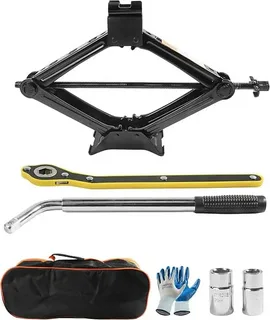
Before starting, gather the right equipment. Most cars come with a basic kit, but double-check yours. Essential items include:
- Spare Tire: Ensure it’s properly inflated (check pressure with a gauge).
- Jack: The scissor or hydraulic type from your trunk.
- Lug Wrench (Tire Iron): For loosening and tightening lug nuts.
- Wheel Wedges or Blocks: To prevent the car from rolling (bricks or rocks work in a pinch).
- Flashlight: For visibility at night.
- Gloves and Reflective Triangle: For safety and signaling.
- Optional Extras: Tire pressure gauge, sealant kit for minor punctures, and a lug nut key if your car has locking nuts.
Store these in your trunk for easy access. If your car lacks a spare (e.g., some modern models), consider a roadside assistance plan.

Safety Precautions Before You Begin
Changing a tire involves risks like vehicle instability or traffic hazards. Follow these precautions:
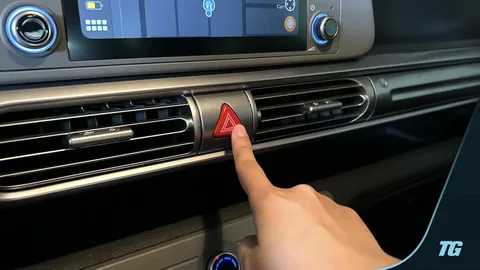
- Park Safely: Pull over on a flat, stable surface away from traffic. Turn on hazard lights and set up flares or a reflective triangle 100 feet behind your car.
- Engage Parking Brake: And chock the wheels not being lifted (front wheels if changing a rear tire, and vice versa).
- Avoid Slopes: Never jack up on an incline— the car could roll.
- Check Conditions: Don’t attempt in rain, snow, or high winds. If the tire blew out at high speed, the rim might be damaged.
- Wear Protection: Gloves prevent cuts from sharp metal; reflective gear increases visibility.
- No Smoking: Sparks from tools could ignite fuel vapors.
- For Families: Keep children and pets inside the vehicle or at a safe distance.
If you’re alone, call a friend or roadside service. Safety first—rushing can lead to accidents.
Step-by-Step Guide to Changing a Tire
Follow these steps carefully. Practice in a safe environment before an emergency.
- Prepare the Vehicle:
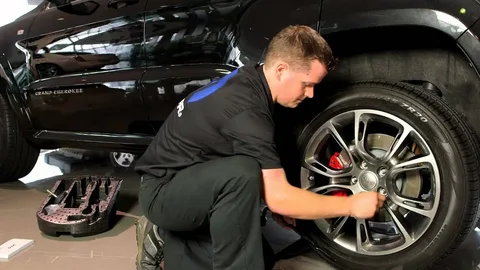
- Loosen lug nuts slightly (about 1/2 turn) while the tire is on the ground. Use the lug wrench counterclockwise—don’t remove them yet.
- Place wheel wedges behind the opposite wheels to secure the car.
- Position the Jack:
- Locate the jack points (marked on your car’s frame, usually under the doors).
- Place the jack securely under the designated spot. Ensure it’s stable on firm ground.
- Jack Up the Car:
- Raise the vehicle slowly until the flat tire is 6 inches off the ground. Never get under the car while jacking.
- Double-check stability before proceeding.
- Remove the Flat Tire:
- Fully unscrew and remove lug nuts, placing them in a safe spot (e.g., on the hubcap).
- Pull the tire straight off the wheel studs. If stuck, gently kick the sidewall with your foot.
- Mount the Spare:
- Lift the spare onto the wheel studs, aligning the holes.
- Hand-tighten lug nuts in a star pattern to ensure even seating.
- Lower the Car and Tighten:
- Lower the jack slowly until the spare touches the ground and the car supports its weight.
- Tighten lug nuts firmly in the star pattern using the lug wrench. Don’t overtighten—aim for snug.
- Final Checks:
- Remove the jack and wedges.
- Stow the flat tire and tools securely.
- Drive cautiously to a service center—spares are temporary and have speed limits (usually 50 mph).
Test drive a short distance to ensure everything feels right.
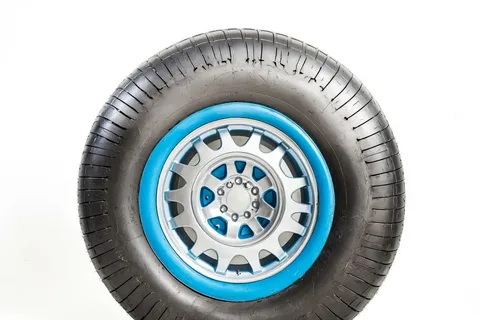
Common Mistakes to Avoid
Even experienced drivers make errors. Steer clear of these:
- Overtightening Lug Nuts: Can strip threads or warp the rotor. Tighten to 80-90 ft-lbs (check your manual).
- Jacking on Unstable Ground: Leads to slips and accidents. Use a flat surface.
- Forgetting to Loosen Nuts First: Lug nuts tighten under weight—loosen before lifting.
- Using the Wrong Jack: Ensure it’s rated for your car’s weight.
- Ignoring Tire Pressure: A low spare can fail. Inflate to recommended PSI.
- Driving on a Damaged Spare: Spares aren’t for long distances—get the tire repaired ASAP.
Avoiding these prevents damage and ensures safety.
When to Call for Professional Help
While changing a tire is doable, some situations require experts:
- Severe Damage: If the rim is bent or the tire shredded, towing is safer.
- Locking Lug Nuts: Need a special key or tool.
- Run-Flat Tires: Some modern tires don’t need changing immediately.
- Hazardous Locations: On highways or in bad weather.
- Lack of Tools: If your kit is missing, roadside assistance (e.g., AAA) is invaluable.
- Multiple Flats: Indicates a bigger issue like alignment problems.
Services like towing cost $50-150 but are worth it for complex cases.
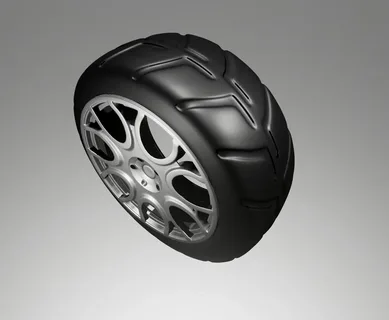
Tire Maintenance Tips to Prevent Flats
Prevention is better than cure. Maintain your tires to reduce emergencies:
- Regular Inspections: Check tread depth (use a penny test) and pressure monthly. Rotate tires every 5,000-8,000 miles.
- Proper Inflation: Keep at manufacturer PSI to avoid blowouts.
- Alignment and Balance: Get checked annually to prevent uneven wear.
- Avoid Hazards: Steer clear of potholes and curbs.
- Seasonal Prep: Switch to winter tires in cold climates.
- Storage: If storing spares, keep them inflated and covered.
Well-maintained tires last longer and improve fuel efficiency.
Advanced Tips for Different Vehicles
Adapting for your car type ensures success:
- SUVs/Trucks: Heavier, so use a floor jack and ensure stability.
- Electric/Hybrid Cars: Avoid jacking near batteries; follow specific manuals.
- Compact Cars: Easier to handle, but spares might be smaller.
- All-Wheel Drive: Ensure you’re changing the correct tire to maintain balance.
- Performance Cars: Low-profile tires require care to avoid rim damage.
Always reference your vehicle’s manual for nuances.
Conclusion: Mastering Tire Changes for Confidence on the Road
Knowing how to change a car tire is a vital skill that builds independence and safety. By following this guide, preparing your tools, and practicing precautions, you’ll handle flats with ease. Remember, while DIY is empowering, don’t hesitate to seek help when needed. Regular maintenance keeps tires in top shape, minimizing emergencies. Drive safely, stay prepared, and enjoy peace of mind on every journey. If you have questions or need a refresher, consult local auto shops or online tutorials. Happy motoring!
Leave a Reply