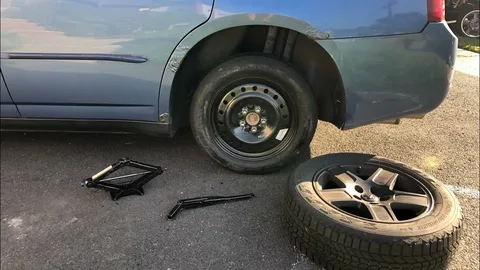
Changing a flat tire is a fundamental skill every driver should master. Whether you’re stranded on a busy highway or in a remote area, knowing how to replace a flat tire can save time, money, and potentially your life. This guide provides a step-by-step process to change a tire safely and efficiently without calling for roadside assistance. Remember, while this is straightforward, safety comes first—always prioritize your well-being and that of others.
Why Learn to Change a Tire?
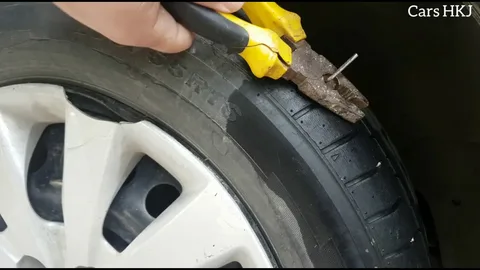
Flat tires happen unexpectedly due to punctures from nails, glass, or road debris, or from wear and tear. According to the National Highway Traffic Safety Administration (NHTSA), tire-related issues cause thousands of accidents annually. Being prepared means you can handle the situation quickly, reducing exposure to traffic hazards. Plus, it’s empowering to fix your own vehicle, especially in emergencies where help might be delayed.
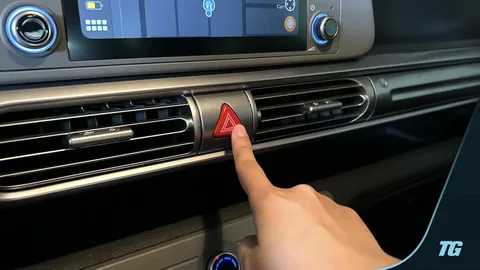
Before starting, assess the situation. If you’re on a busy road, move to a safe spot like a shoulder or parking lot. Turn on your hazard lights and place reflective triangles or flares behind your vehicle to alert oncoming traffic. Never attempt this in unsafe conditions, such as heavy rain, snow, or darkness without proper lighting.
Tools and Materials You’ll Need
Gather these essentials before you begin. Most are standard in your vehicle’s trunk kit, but double-check:
- Spare tire: Ensure it’s properly inflated and in good condition. Don’t use a donut spare for long distances.
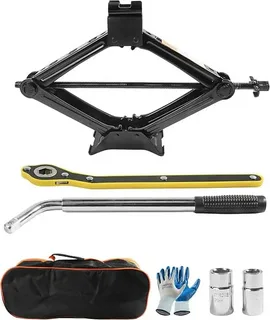
- Jack: A hydraulic or scissor jack designed for your vehicle.
- Lug wrench: To loosen and tighten lug nuts.
- Wheel wedges or blocks: To prevent the vehicle from rolling.
- Gloves and flashlight: For safety and visibility.
- Optional: Torque wrench: For precise tightening, though not always necessary.
If your car lacks these, consider purchasing a roadside emergency kit. Familiarize yourself with your vehicle’s manual for specific jack points and procedures.
Step-by-Step Guide to Changing a Tire
Follow these steps carefully. The process typically takes 15-30 minutes for beginners.
Step 1: Prepare the Vehicle and Yourself
Park on a flat, stable surface away from traffic. Engage the parking brake and shift into park (or first gear for manuals). If possible, chock the wheels opposite the flat tire—place blocks behind the front wheels if changing a rear tire, and vice versa. This prevents rolling.
Wear gloves to protect your hands from dirt and sharp edges. If it’s dark, use a flashlight. Remove any hubcaps or wheel covers if they obstruct access to lug nuts.
Step 2: Loosen the Lug Nuts
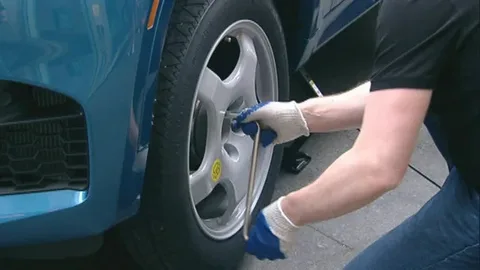
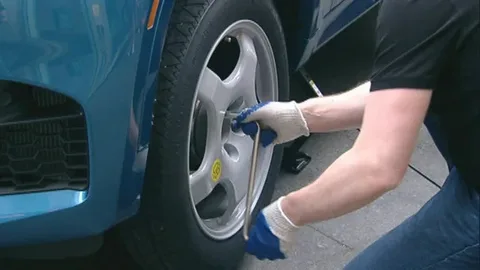
Before jacking up the vehicle, loosen the lug nuts slightly while the tire is still on the ground. This prevents the wheel from spinning. Use the lug wrench, turning counterclockwise. Don’t remove them yet—just break the torque. If they’re stuck, apply steady pressure or use a breaker bar if available. Avoid using extensions that could slip and cause injury.
Step 3: Jack Up the Vehicle
Locate the jack points under your vehicle, usually marked in the owner’s manual or on the frame. Position the jack securely under the designated point near the flat tire. Never jack up the vehicle under the bumper, axle, or differential, as this can cause damage.
Slowly raise the vehicle until the flat tire is about 6 inches off the ground. Ensure the jack is stable—rock the vehicle gently to confirm. Once elevated, fully remove the lug nuts and set them aside in a safe place.
Step 4: Remove the Flat Tire
Pull the flat tire straight off the wheel hub. It might be heavy, so use both hands and avoid sudden movements. Place it flat on the ground nearby, but not under the vehicle.
Step 5: Mount the Spare Tire
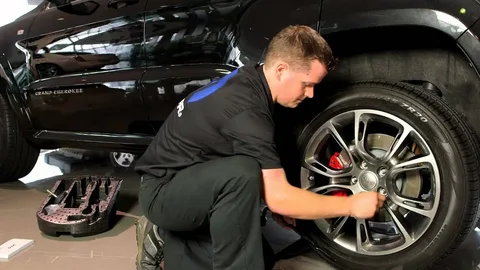
Lift the spare tire onto the wheel hub, aligning the holes with the bolts. Push it on firmly. Thread the lug nuts back on by hand, tightening them clockwise as far as possible. Don’t use the wrench yet.
Step 6: Lower the Vehicle and Tighten Lug Nuts
Carefully lower the vehicle using the jack until the spare tire touches the ground. Remove the jack and fully tighten the lug nuts in a star pattern (e.g., tighten one, skip one, etc.) to ensure even pressure. This prevents warping. Use moderate force—over-tightening can damage studs.
Step 7: Secure Everything and Test
Double-check that all lug nuts are tight. Stow the flat tire, jack, and tools back in the trunk. Drive slowly to a tire shop for repair or replacement. Spares are temporary; don’t exceed 50 mph or drive more than 50-70 miles.
After Changing the Tire: What Next?
Once the spare is on, inspect the flat tire for damage. If it’s repairable (e.g., a small puncture), take it to a professional. Get the spare checked too, as it might need inflation. If you don’t have a spare, call for a tow.
Drive cautiously with a spare—avoid sudden stops or high speeds. Monitor tire pressure and alignment. If the flat was due to a blowout, have your vehicle inspected for underlying issues like suspension problems.
Tips and Troubleshooting Common Issues
- Stuck Lug Nuts: Spray penetrating oil and let it sit. If still stuck, seek help to avoid stripping.
- No Jack Points: Consult your manual or call a friend. Improper jacking can lead to accidents.
- Damaged Spare: If the spare is flat or unusable, you’re better off calling for assistance.
- Safety First: Never get under the vehicle while jacked. If the jack slips, get out immediately.
- Practice: Change a tire in a safe environment to build confidence.
- Weather Considerations: In bad weather, wait for help if possible. Cold can make tires harder to handle.
- Electric Vehicles: Some EVs have unique procedures; check your manual.
- Prevention: Regularly check tire pressure (aim for 30-35 PSI), rotate tires, and inspect for wear. Carry a tire plug kit for minor repairs.
Common mistakes include forgetting to loosen lug nuts first, jacking on unstable ground, or driving too fast on a spare. These can cause injuries or further damage.
Conclusion
Changing a flat tire empowers you to handle roadside emergencies independently. By following these steps, you ensure safety and minimize downtime. Remember, this guide is for standard vehicles—always refer to your owner’s manual for specifics. If you’re uncomfortable or the situation is unsafe, don’t hesitate to call professionals. Stay prepared, drive safely, and turn potential disasters into manageable tasks. With practice, you’ll master this essential skill in no time.
Leave a Reply