
Changing a tire is a basic skill every driver should know, but what if your jack is missing, broken, or inaccessible? In an emergency, you might find yourself stranded without this essential tool. Fortunately, there are alternative methods to lift your vehicle and replace a flat tire using everyday items or improvised tools. This guide will walk you through safe, step-by-step techniques to change a tire without a jack, emphasizing safety and preparation. Remember, these methods are last resorts—always prioritize calling roadside assistance if possible.
Understanding the Risks and When to Proceed
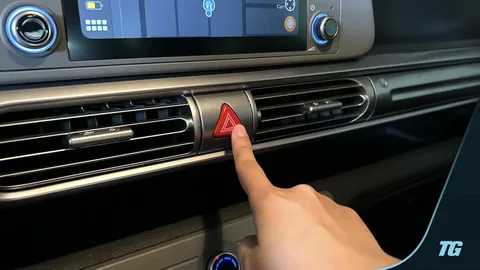
Before attempting any tire change, assess the situation. If you’re on a busy highway, in bad weather, or if the vehicle is unstable, it’s safer to wait for professional help. Changing a tire without a jack can be physically demanding and risky, potentially leading to injury or vehicle damage. Key risks include the car rolling, tools slipping, or the tire not seating properly. Always wear reflective gear at night, use hazard lights, and place warning triangles or flares to alert other drivers.
Ensure the car is on level ground if possible. If not, chock the wheels opposite the flat tire with rocks, bricks, or the spare tire to prevent movement. Never work under a vehicle supported only by a makeshift lift—use these methods only to raise the car temporarily for tire removal and replacement.
Essential Tools and Preparation
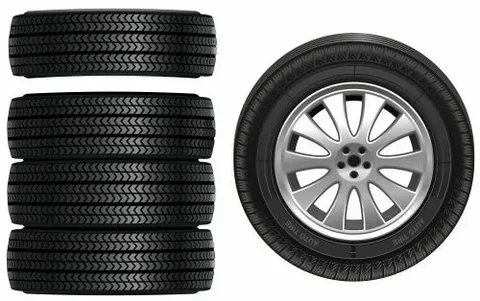
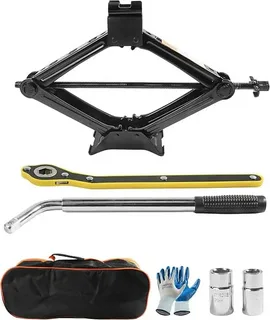
You won’t need a jack, but you’ll still require basic tools. Most cars come with a lug wrench (or tire iron) and a spare tire. If these are missing, improvise:
- Lug wrench: Essential for loosening and tightening lug nuts. If unavailable, a sturdy pipe or crowbar can extend leverage.
- Spare tire: A full-size spare is ideal; a donut (temporary spare) works but limits speed and distance.
- Wheel chocks: Rocks, bricks, or the spare tire itself.
- Gloves and flashlight: For safety and visibility.
- Optional improvisations: A sturdy plank, hydraulic bottle jack alternative (like a floor jack if you have one), or even a car battery and jumper cables for creative lifting (more on this later).
Gather these items from your trunk or surroundings. If you’re prepared, keep an emergency kit with a compact jack, but for this scenario, assume you don’t have one.
Method 1: Using Leverage and a Ramp (Rocking Technique)
This is one of the most common ways to lift a vehicle without a jack. It relies on physics: rocking the car to create space under the tire.
- Secure the vehicle: Park on as level ground as possible. Engage the parking brake. Place wheel chocks behind the wheels on the opposite side of the flat tire. For example, if the front left tire is flat, chock the rear right wheel.
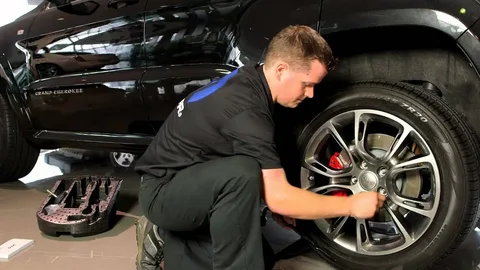
- Loosen the lug nuts: Use the lug wrench to loosen (but not remove) the lug nuts on the flat tire. Turn them counterclockwise about half a turn. This prevents the wheel from spinning when you lift it.
- Create a ramp: Find or improvise a sturdy ramp. A large rock, concrete block, or wooden plank can work. Position it under the flat tire’s edge. If no ramp is available, dig a small trench or use the car’s momentum.
- Rock the car: With the ramp in place, gently rock the vehicle back and forth. Have a helper push from the front or back while you apply pressure to the tire. The goal is to lift the flat tire just enough (1-2 inches) to slide the ramp under it. Be cautious—rocking too aggressively can damage suspension or cause the car to roll.
- Lift and remove: Once the tire is elevated, remove the lug nuts fully and pull off the flat tire. Roll on the spare tire and hand-tighten the lug nuts.
- Lower and tighten: Carefully remove the ramp, allowing the car to settle. Tighten lug nuts in a star pattern to ensure even pressure. Use the wrench to torque them properly (check your owner’s manual for specs, typically 80-100 ft-lbs).
This method works best on smaller vehicles. For heavier trucks or SUVs, it may require more effort or multiple people.

Method 2: Hydraulic or Bottle Jack Alternatives
If you have access to a hydraulic bottle jack (often found in tool kits), use it instead of a full jack. But if not, improvise with a car jack handle or even a battery-powered option.
- Using a bottle jack: Position it under a sturdy point on the frame (not the bumper). Pump to lift the car slowly. This is safer than full improvisation but still requires caution.
- Battery and cables trick: This is a creative, low-tech hack. Connect jumper cables to the car’s battery. Use the cables to create a loop around a lifting point and the tire, then “jump” the battery to create a magnetic lift (though this is more myth than reality—it’s unreliable and dangerous due to electrical risks. Avoid if possible).
For a safer alternative, use a floor jack if available, or extend a lug wrench with a pipe for more leverage to pry the car up manually.
Method 3: Manual Lifting with Tools and Assistance
For those without ramps, manual force can work with help.
- Position helpers: Enlist 1-2 people. One can push down on the car’s frame while others lift the tire.
- Use leverage tools: Insert a crowbar or sturdy branch under the frame and pry upward while pushing down on the opposite side. This creates a fulcrum effect.
- Lift incrementally: Lift just enough to swap the tire. This method is exhausting and best for light vehicles.
Always have someone spot for safety, ensuring the car doesn’t shift.
Method 4: Digging and Wedging
In soft ground or dirt roads:
- Dig a trench under the flat tire to lower it naturally.
- Wedge rocks or boards to support the car as you remove the tire.
- Replace and fill the trench back in.
This is time-consuming but effective in rural areas.

Post-Change Checks and Tips
After swapping the tire:
- Inspect the spare: Ensure it’s properly inflated (check pressure with a gauge if available).
- Drive cautiously: Limit speed to 50 mph and distance to 50 miles with a donut spare.
- Torque lug nuts: Re-check tightness after driving a short distance.
- Seek professional help: Get the flat repaired or replaced ASAP. Inspect for damage that caused the puncture.
Tips to avoid this situation: Carry a compact jack, maintain tires, and join a roadside assistance program. Practice changing tires in a safe environment to build confidence.
Common Mistakes to Avoid
- Rushing: Take your time to prevent accidents.
- Over-tightening: Can strip lug nuts; use proper torque.
- Ignoring safety: Never get under the car without support.
- Using damaged tools: Ensure improvisations are sturdy.
If the tire is on the driver’s side or in traffic, consider towing instead.
Conclusion: Preparedness Saves Lives
Changing a tire without a jack is possible in emergencies, but it’s not ideal. These methods require creativity, strength, and caution. By preparing an emergency kit and knowing these techniques, you can handle roadside mishaps confidently. Remember, safety first—call for help when in doubt. With practice, you’ll turn a potential disaster into a manageable fix. Stay safe on the road.
Leave a Reply