Changing a tire is a routine yet potentially hazardous task that every driver may face at some point. Whether it’s a puncture on a busy highway or a blowout in a quiet neighborhood, the process demands focus and caution. Among the essential safety protocols, activating your vehicle’s hazard lights stands out as a critical step that can prevent accidents and save lives. This article explores the compelling reasons to always use hazard lights during a tire change, backed by safety data, legal insights, and practical advice. By understanding their importance, you’ll be better equipped to handle roadside emergencies with confidence and responsibility.
The Role of Hazard Lights in Road Safety
Hazard lights, also known as emergency flashers, are a set of lights that flash simultaneously on all four corners of your vehicle. Designed for visibility, they signal to other drivers that your car is stationary and potentially in distress. When changing a tire, this simple action transforms your vehicle from an unnoticed obstacle into a clearly marked hazard, alerting approaching traffic to slow down, change lanes, or proceed with caution.
The primary function is to enhance visibility. In low-light conditions—dusk, night, or inclement weather—headlights alone may not suffice. Hazard lights create a rhythmic flashing pattern that draws attention from farther away, giving drivers more time to react. For instance, on a multi-lane highway, they can warn motorists traveling at high speeds, reducing the risk of rear-end collisions or side-swipes. Without them, your car blends into the roadside, increasing the likelihood of a dangerous encounter.
Moreover, hazard lights communicate intent. They indicate that you’re not parked for a casual stop but are dealing with an emergency. This psychological cue prompts empathy and caution from other road users, fostering a safer environment for you and your helpers.

Legal and Regulatory Aspects
In many jurisdictions, using hazard lights during a tire change is not just recommended—it’s often required by law. In the United States, for example, most states mandate hazard lights for stopped vehicles on highways or in areas with speed limits above 25 mph. The Federal Highway Administration (FHWA) guidelines emphasize their use to comply with traffic safety standards. Violating this can result in fines, typically ranging from $50 to $200, depending on the location.
Internationally, similar rules apply. In the European Union, hazard lights are compulsory for breakdowns, and failure to use them can lead to penalties under road traffic laws. Even in countries without explicit mandates, it’s considered a best practice endorsed by driving authorities like the UK’s Highway Code or Australia’s Road Safety Rules.
Beyond legality, insurance companies view hazard light usage as a mitigating factor in accident claims. If an incident occurs while changing a tire without them, you might face denied coverage or higher premiums, as it could be seen as negligence. By activating them, you’re demonstrating due diligence, which can protect your wallet and driving record.
Real-World Risks and Statistics
The dangers of roadside tire changes are underscored by alarming statistics. According to the National Highway Traffic Safety Administration (NHTSA), over 1,000 fatalities occur annually in the U.S. due to crashes involving stopped vehicles. A significant portion involves tire-related incidents where visibility was a key factor. For example, a 2019 NHTSA report highlighted that 20% of fatal crashes with parked cars stemmed from inadequate warning signals.
Consider scenarios: On a dark, rainy night, a driver might not spot your vehicle until it’s too late. Hazard lights can extend your “warning zone” by up to 500 feet, per studies from the Insurance Institute for Highway Safety (IIHS). Without them, reaction times are halved, leading to preventable tragedies. Anecdotal evidence from roadside assistance providers like AAA reveals that many calls involve drivers who skipped this step, resulting in near-misses or actual collisions.
Weather exacerbates risks—fog, snow, or heavy traffic amplify the need for visibility. In urban areas, distracted drivers (e.g., texting) are less likely to notice a stationary car without flashing lights. By always using hazard lights, you minimize these variables, turning a routine task into a safer one.
Step-by-Step: Incorporating Hazard Lights into Tire Changes
Integrating hazard lights into your tire-changing routine is straightforward and should be the first action after pulling over safely. Here’s how:
- Pull Over Immediately: As soon as you detect a flat, move to the shoulder or a safe spot. Engage the parking brake.
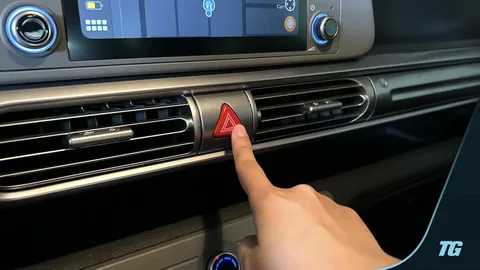
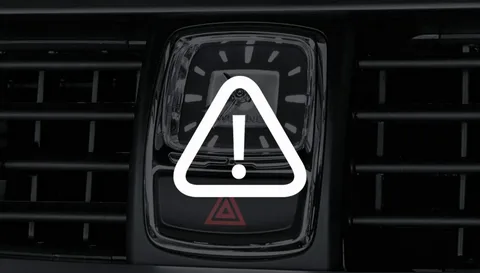
- Activate Hazard Lights: Turn on the hazard light switch (usually a red triangle button on the dashboard). Confirm all lights are flashing.
- Set Up Additional Warnings: Place reflective triangles or flares 100-300 feet behind your vehicle (as per law in many places). If available, use a flashlight to signal.
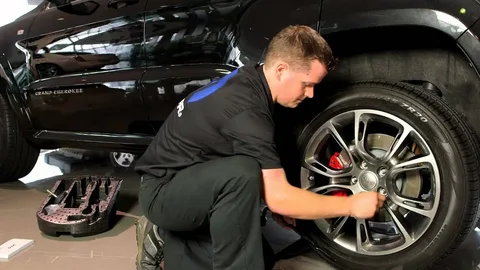
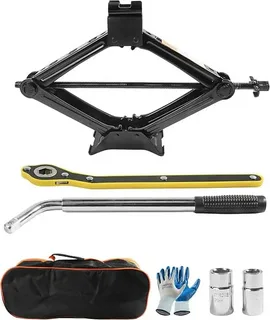
- Proceed with the Change: Loosen lug nuts, jack up the car, and swap the tire. Keep lights on throughout.
- Deactivate and Depart: Once done, turn off hazards before driving away. Check mirrors for traffic.
This sequence ensures continuous visibility. Practice it in a controlled environment to make it second nature.
Additional Safety Measures
While hazard lights are paramount, combine them with other precautions for maximum protection:
- Wear Reflective Gear: Don a vest or use armbands to make yourself visible.
- Chock Wheels: Prevent rolling by placing blocks behind opposite wheels.
- Use a Spotter: Have someone watch for traffic if possible.
- Call for Help: If unsure, contact roadside assistance while lights are on.
- Avoid Peak Times: Change tires during daylight or low-traffic periods when feasible.
These layers of safety create a “defense in depth” against accidents.

Common Pitfalls and How to Avoid Them
Despite their importance, many drivers neglect hazard lights due to forgetfulness or haste. Common mistakes include:
- Forgetting in Panic: Stress can cloud judgment—make it a habit by associating it with pulling over.
- Assuming Visibility: On well-lit roads, drivers might skip them, but even daylight doesn’t guarantee safety.
- Battery Drain Concerns: Some worry about draining the battery, but modern cars handle it fine for short periods.
- Legal Ignorance: Not knowing local laws—research your area’s rules.
To avoid these, include hazard light activation in your emergency checklist. Apps like “Roadside Helper” can remind you. Educate passengers on its importance.
Conclusion: Prioritize Visibility for Safer Roads
In the high-stakes game of driving, hazard lights are your first line of defense during a tire change. They alert, protect, and comply with laws, potentially averting disasters backed by grim statistics. By always using them, you not only safeguard yourself but also contribute to overall road safety. Remember, a small button press can make a world of difference don’t underestimate its power. Equip your vehicle with this knowledge, and drive with the assurance that you’re prepared for the unexpected. Stay safe out there.
Leave a Reply